









- The Hyundai Grandeur is getting a facelift in Korea.
- Most updates focus on revised bumpers and lighting.
- The cabin gains a much larger infotainment screen.
It’s been ten years since Hyundai quietly pulled its flagship sedan, the Azera, from the United States and Canada. Back home in Korea, however, the same car lives on as the Grandeur, and business is booming, with the big sedan currently standing as the country’s best-selling car. Now, three and a half years after the debut of the seventh-generation model, Hyundai is preparing a mid-cycle update.
More: The Next Hyundai Elantra Will Look Nothing Like The Car In Your Driveway
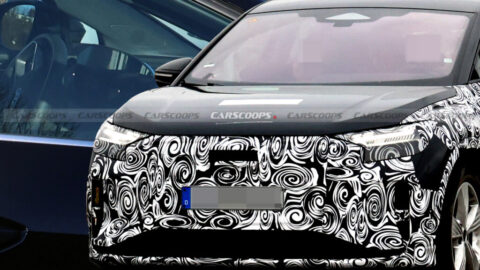
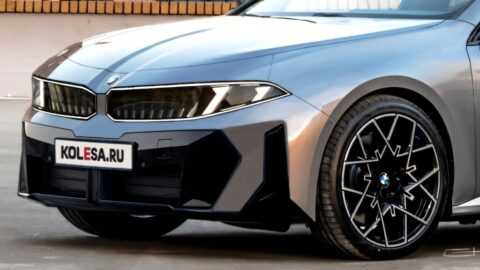
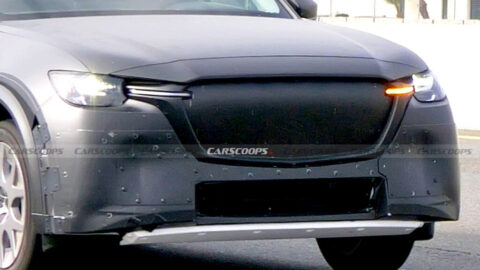
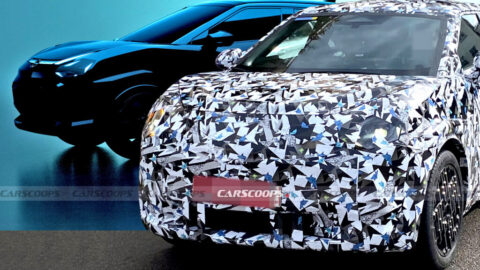
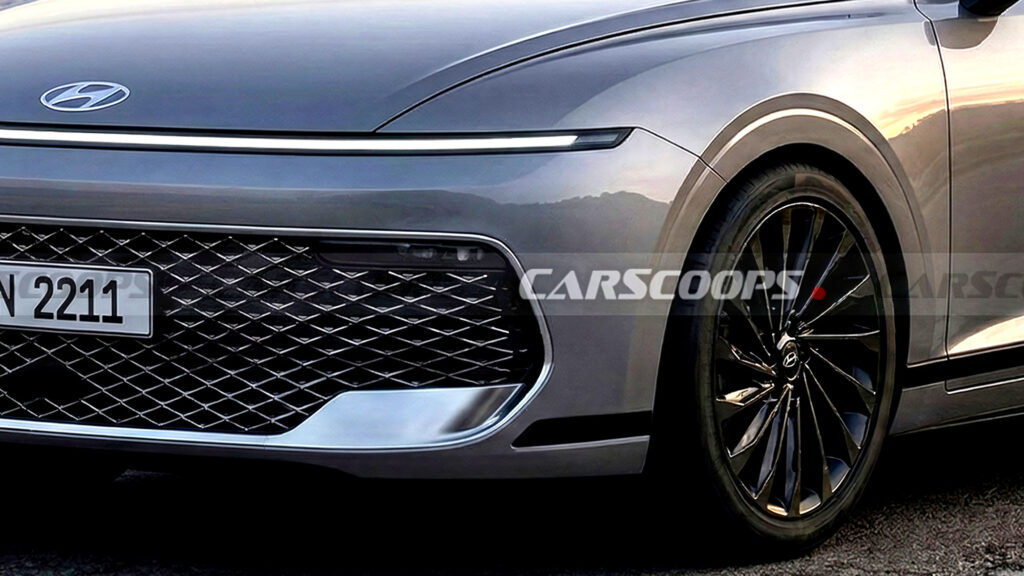
Shortly after our spy photographers spotted a camouflaged Grandeur prototype out testing, a set of leaked images surfaced and gave away much of Hyundai’s flagship sedan. The photos appeared on the Korean YouTube channel mediaAuto, giving us enough detail to piece together realistic renderings ahead of the large sedan’s official debut.
What’s New Outside?

Up front, the tweaks focus on a redesigned bumper that ditches the vertical portion of the split LED headlights in favor of horizontal lighting elements. Those lights now sit tucked inside a much larger honeycomb grille, finished with chrome accents.
More: Hyundai Realizes Its Models Don’t Look Related
The side profile is expected to carry over largely unchanged, although Hyundai’s designers may introduce new paint colors and fresh wheel designs. Reports also suggest slim LED elements could appear on the front fenders between the wheels and the doors, extending the headlight signature in a way that echoes recent Genesis models.

Around the back, the sedan gains a revised bumper with chrome trim surrounding the diffuser, plus updated LED graphics within the full-width light bar. The taillights are also expected to integrate the turn signals that were previously hidden in the dark trim of the rear bumper.
Pleos Infotainment Arrives Inside
Inside, the cabin takes a decisive step into the digital age while keeping the higher-quality materials and premium design of the current model intact. A towering portrait-oriented display, unmistakably Tesla-esque, now dominates the center console, replacing the previous 12.3-inch infotainment screen and the separate 10.25-inch climate control display.
More: Hyundai’s New Pleos Infotainment System Looks Like A Tesla Knockoff
The new screen runs Hyundai’s Android-based Pleos infotainment software, which will gradually roll out across the brand’s entire lineup. Thankfully, Hyundai hasn’t gone all-in on touch controls. The facelifted Grandeur still keeps a row of physical buttons and circular knobs for drivers who prefer actual tactile feedback.
To help keep the driver’s eyes on the road, Hyundai has positioned a much slimmer digital instrument cluster higher on the dashboard. The steering wheel also drops the current model’s retro look in favor of a cleaner, more contemporary design with double center spokes, though the clicky buttons remain. Furthermore, the gear selector moves to a column-mounted toggle lever, which frees up extra room in the center console for dual wireless charging pads.
Carry-Over Underpinnings
Under the skin, little appears to be changing. Powertrain options are expected to carry over, including the turbocharged 1.6-liter hybrid setup, the naturally aspirated 2.5-liter gasoline engine, and the range-topping 3.5-liter V6 offered in both gasoline and LPG flavors.
SHProshots
The most potent version of the Grandeur continues to be the V6, producing 295 hp (221 kW / 300 PS) and optionally paired with AWD.
40 Years Of Grandeur
The facelifted Grandeur is expected to break cover around April or May 2026, lining up with the nameplate’s 40th anniversary at the top of Hyundai’s lineup. The story began in 1986 with the first-generation model, essentially a rebadged Mitsubishi Debonair. Since then, the Grandeur has steadily evolved into the modern premium sedan that many Korean buyers hold in particularly high regard.
In export markets the Grandeur has often worn the Azera badge. It was also sold in North America until 2016, when Hyundai quietly pulled it from the lineup as the Genesis brand stepped in to take over the company’s luxury sedan duties.